
Seguridad de Mascotas en Halloween: La Guía Completa para Dueños de Perros y Gatos
La noche de Halloween es la noche con mayor número de mascotas perdidas en Estados Unidos. Los refugios de animales y grupos de rescate reportan consistentemente que los ingresos aumentan dramáticamente el 1 de noviembre, la mañana después del truco o trato. Timbres sonando constantemente, extraños con disfraces aterradores, envoltorios de dulces en el suelo y puertas de entrada abriéndose cada pocos minutos crean la tormenta perfecta de miedo y oportunidades de escape incluso para el perro o gato más tranquilo y bien entrenado. La buena noticia: casi todas las emergencias con mascotas en Halloween son prevenibles. Esta guía te muestra exactamente qué hacer — y qué evitar — para que tu mascota siga acurrucada en el sofá cuando se apague la última luz del porche.
Por Qué Halloween Es Especialmente Peligroso para las Mascotas
La mayoría de las festividades que asustan a las mascotas — el 4 de julio, Nochevieja — involucran un solo factor de estrés: ruido fuerte. Halloween es diferente porque combina múltiples amenazas simultáneas durante varias horas.
- Constant doorbell activity. Each ring triggers a startle response. After 50 rings across 3 hours, even a relaxed dog can reach a state of chronic arousal where a single further stimulus causes a bolt.
- Unfamiliar figures at the door. Costumes — especially masks, capes, and oversized heads — can cause dogs and cats to perceive strangers as genuinely threatening. The body language they rely on to assess safety is hidden.
- Open front doors. Every candy handout is an escape window. Studies of shelter intake data place the door-bolt as the most common mechanism of Halloween pet loss.
- Candy and wrappers within reach. Children carry bags at nose-height for dogs. Wrappers dropped on sidewalks and porches are irresistible to scavenging pets.
- Stress-induced noise sensitivity. Screaming children, cackling decorations, and fog machines can push an already-anxious pet past its threshold, triggering flight responses even in fenced yards.
Mantén a Perros y Gatos Dentro de Casa Durante las Horas de Truco o Trato (6–10 PM)
La regla fundamental de seguridad de mascotas en Halloween es simple: tu mascota no debe estar cerca de la puerta principal entre las 6 PM y las 10 PM. Esto aplica incluso si tu perro nunca ha escapado antes. La combinación de factores estresantes en Halloween no se parece a ninguna noche normal, y los límites que funcionan un martes cualquiera pueden fallar completamente.
- Walk dogs before dusk. Get your walk done by 5:30 PM. A tired dog is a calmer dog, and you avoid the early trick-or-treaters who start at 5:45 in many neighborhoods.
- No yard time unsupervised. Even a fenced yard is not safe on Halloween. Costumes passing on the sidewalk can trigger fence-running and digging. Bring pets in and keep them in.
- Cats strictly indoors. Black cats in particular face documented risks of cruelty on and around Halloween. All cats should be indoors starting October 29th through November 1st, not just on the 31st.
- Use white noise or calming music. A white noise machine or species-specific calming music (e.g., Through a Dog's Ear) placed near where your pet rests significantly reduces their ability to detect every doorbell and shriek outside.
Asegura la Casa: Puertas de Seguridad, Habitaciones Cerradas y Letreros en las Puertas
Mantener a las mascotas lejos de la puerta principal requiere barreras físicas, no solo órdenes. Un animal asustado no obedecerá de forma confiable ni siquiera un firme "quieto". Prepara tu casa antes de que llegue el primer pide dulces.
- Designate a safe room. Choose a quiet interior room — a bedroom, office, or laundry room — as far from the front door as possible. Put your pet there with their bed, water, a long-lasting chew or food puzzle, and familiar-smelling items.
- Use a baby gate or exercise pen as a second barrier. Even if your pet escapes the safe room, a gate at the end of the hallway buys time. Double barriers are standard practice in foster homes for anxious animals.
- Post a sign on the safe room door. Write "Pet inside — do not open" in large letters and tape it to the door. This is critical if you have guests, children, or anyone helping hand out candy who may not know your setup.
- Consider a door-answering strategy that keeps the main door controlled. Step outside to hand candy rather than opening the door wide. Or use a bowl on the porch with a "Take one" sign so you never open the door at all.
Seguridad de Disfraces: Lo Que Es Lindo También Puede Ser Peligroso
Los disfraces para mascotas se han convertido en una tradición de Halloween, pero los veterinarios especialistas en comportamiento son claros: la mayoría de las mascotas no disfrutan usarlos, y algunos disfraces conllevan riesgos físicos genuinos.
- Choking hazards. Decorative buttons, snaps, elastic bands, and small accessories can be chewed off and swallowed. Inspect every costume for small parts before putting it on your pet.
- Restricted movement and vision. Costumes that limit a dog's ability to see clearly, open their mouth fully, or move their legs normally cause stress and can prevent them from communicating discomfort. A dog who cannot show normal body language cannot warn you before they snap.
- Overheating. Thick costumes trap heat. Dogs cool primarily through panting and footpad contact. A hot dog in a full-body outfit in a warm house is at real risk of overheating.
- Stress indicators to watch for. If your pet shows a tucked tail, flattened ears, repeatedly tries to remove the costume, freezes, or loses interest in treats they normally love — remove the costume immediately. A bandana or a themed collar is a perfectly dignified alternative.
- Never leave a costumed pet unsupervised. The risk of tangling, chewing, or overheating rises sharply the moment you leave the room.
Peligros de los Dulces: Xilitol, Chocolate, Uvas y Qué Hacer Si Se Ingieren
Los dulces de Halloween son genuinamente tóxicos para las mascotas — no ligeramente molestos, sino potencialmente fatales. Mantén todos los dulces, envoltorios y bolsas de truco o trato fuera del alcance. Conoce estas amenazas por nombre.
- Xylitol (now often labeled "birch sugar"). Found in sugar-free gum, some peanut butters, sugar-free candy, and breath mints. In dogs, xylitol causes a rapid and severe drop in blood sugar (hypoglycemia) and can cause liver failure. Even a single piece of xylitol-containing gum can kill a small dog. This is a call Poison Control immediately situation.
- Chocolate. Dark chocolate and baking chocolate are the most dangerous; milk chocolate is less concentrated but still harmful in quantity. Theobromine causes vomiting, diarrhea, tremors, seizures, and cardiac arrhythmia. The smaller the dog, the smaller the dangerous dose.
- Raisins and grapes. Found in some trail mix-style candies. Even tiny quantities have caused acute kidney failure in dogs. The mechanism is not fully understood, which means there is no known safe dose.
- Candy wrappers. Foil and cellophane wrappers can cause intestinal obstruction if swallowed in quantity — a common emergency room visit after Halloween.
- If you suspect ingestion: Call the ASPCA Animal Poison Control Center at (888) 426-4435 (available 24/7, consultation fee applies) or your emergency veterinarian immediately. Do not wait for symptoms. Time matters, especially with xylitol and grapes.
Actualiza la Identificación de Tu Mascota Antes del 31 de Octubre
Si tu mascota escapa la noche de Halloween, la identificación es lo que la trae de vuelta a casa. El tiempo entre el escape y la recuperación es más corto cuando cualquiera que encuentre a tu mascota puede contactarte al instante — sin necesidad de buscar un refugio o un veterinario con escáner.
- Check that your pet's collar tag has your current phone number. Many pets are found wearing tags with disconnected numbers or addresses from a previous home. Verify this now, not on October 31st.
- Ensure your microchip registration is current. A microchip is only useful if the registration database has your current contact information. Look up your chip number and confirm the record. Most registries allow free updates.
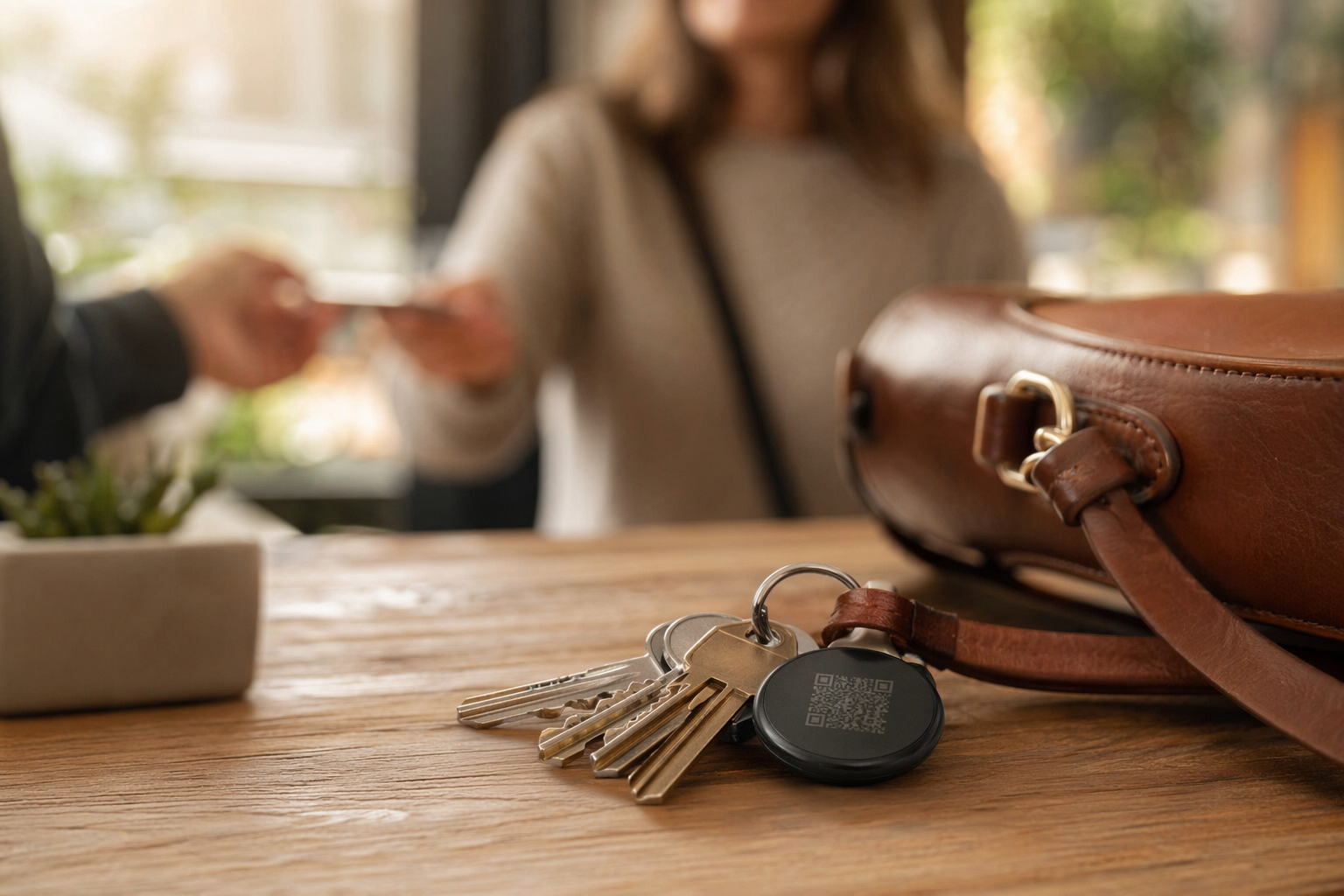
- Add a QR tag to your pet's collar. A QR tag lets anyone with a smartphone scan and immediately see your contact details, your pet's medical information, and — if you've activated Lost Mode — an alert that your pet is missing. No app required for the finder.
- Activate Lost Mode before trick-or-treat starts. If you use Tagback, turn on Lost Mode at 5:30 PM on October 31st, before the chaos begins. If your pet escapes, every scan of their tag immediately notifies you of the scanner's location in real time.
- Take a clear, recent photo right now. Update the photo on your Tagback profile and save one to your phone. If you need to post "lost pet" flyers at 11 PM on Halloween, you will not have time to find a good photo.
Si Tu Mascota Escapa en Halloween: Qué Hacer Inmediatamente
A pesar de todas las precauciones, los escapes ocurren. Los primeros 30 minutos después de que una mascota desaparece son los más importantes. Mantén la calma y actúa rápido.
- Start searching immediately. A frightened pet moves fast but often circles back toward home. Start by searching the immediate block in expanding circles. Bring high-value treats and speak in a calm, happy voice — do not call in a panicked tone.
- Alert your neighbors right now. Knock on doors. People who are already outside handing out candy are your best eyes. Show them a photo of your pet.
- Post on neighborhood apps immediately. Nextdoor, local Facebook lost pet groups, and Ring Neighbors all have people watching their phones on Halloween night. Post your pet's photo, description, and your contact number.
- Contact local shelters tonight, not tomorrow morning. Call your municipal animal shelter's emergency line. Many accept lost pet reports by phone overnight. Also check if they have a Facebook page where found animals are posted in real time.
- Do not wait until morning. The first 24 hours are critical for lost pets. For a detailed action plan by species, see our guides on lost dogs in the first 24 hours and lost cats in the first 24 hours.
Si tu mascota lleva una etiqueta QR de Tagback y el Modo Perdido está activo, recibirás una notificación con la ubicación aproximada de quien la encuentre cada vez que se escanee la etiqueta — incluso si quien la encuentra no te llama. Esto ha reunido mascotas con sus dueños en cuestión de minutos después de un escape.
Tu Lista de Verificación de Seguridad de Mascotas en Halloween
Usa esta lista en la semana previa a Halloween para asegurarte de estar completamente preparado.
- Collar and tag check. Is the tag current? Is the collar fitted correctly — two fingers should fit snugly between the collar and your pet's neck?
- Microchip check. Look up your chip number and confirm the registration database has your current phone number.
- QR tag ordered. If you do not have a Tagback tag yet, order one now — standard shipping takes a few days.
- Safe room prepared. Location chosen, bedding and water set up, door sign printed.
- Candy stored out of reach. All candy in a cabinet or high shelf, not in a bowl on a low table or in bags on the floor.
- Walk scheduled before 5:30 PM. Put it in your calendar as a reminder.
- Lost Mode scheduled. Set a phone reminder for 5:30 PM on October 31st to activate Lost Mode on your Tagback app.
- Emergency vet number saved. Save your nearest 24-hour emergency veterinary clinic's number in your phone contacts right now.
- Recent photo on your phone. Update your Tagback profile photo and save a copy to your camera roll.
Preguntas frecuentes
¿Por qué Halloween es la peor noche para las mascotas perdidas?+
Halloween combina múltiples factores de estrés simultáneos — timbres constantes, extraños con disfraces, puertas de entrada abriéndose repetidamente y sonidos fuertes desconocidos — durante un período de varias horas. Esta combinación puede empujar incluso a mascotas tranquilas y bien entrenadas más allá de su umbral de estrés y desencadenar una respuesta de huida. Los refugios de animales reportan consistentemente su mayor ingreso en una sola noche la mañana del 1 de noviembre.
¿Es seguro poner un disfraz de Halloween a mi perro?+
Algunos perros toleran bien los disfraces; muchos no. Las señales clave de que un disfraz está causando angustia incluyen cola metida, orejas aplastadas, quedarse inmóvil, rechazar golosinas o intentar activamente quitarse el disfraz. Los disfraces que restringen el movimiento, la visión o el jadeo son físicamente peligrosos. Si tu perro muestra cualquier incomodidad, quita el disfraz — un collar o pañuelo temático es una alternativa perfectamente buena. Nunca dejes una mascota con disfraz sin supervisión.
¿Qué dulce de Halloween es más peligroso para los perros?+
El xilitol (que se encuentra en chicles sin azúcar y algunos dulces) es el más peligroso de forma aguda — puede causar hipoglucemia potencialmente mortal e insuficiencia hepática incluso en pequeñas cantidades. El chocolate oscuro también es altamente tóxico. Las pasas y uvas, que se encuentran en algunos dulces de mezcla de frutos secos, pueden causar insuficiencia renal repentina sin dosis segura conocida. Si sospechas que tu perro ha comido cualquiera de estos, llama al Centro de Control de Envenenamiento Animal de ASPCA al (888) 426-4435 o a un veterinario de emergencia inmediatamente — no esperes a que aparezcan los síntomas.
¿Cómo ayuda el Modo Perdido de Tagback si mi mascota escapa en Halloween?+
Cuando activas el Modo Perdido en la app de Tagback, la etiqueta QR de tu mascota se marca como activa. Cada vez que alguien escanea la etiqueta con su smartphone — sin necesidad de app de su lado — recibes una notificación instantánea que incluye la ubicación aproximada del escaneo. Esto significa que puedes rastrear dónde están encontrando a tu mascota en tiempo real, incluso si quien la encuentra no te llama. Activar el Modo Perdido antes de que comiencen las horas de truco o trato significa que ya estás en modo de recuperación en el momento en que ocurre un escape.
Start protecting what matters
Tagback is free, forever. No subscription. No app needed for finders.
Create your free tag