
Lost Camera While Traveling: A Complete Recovery Guide (And What to Do If You Found One)
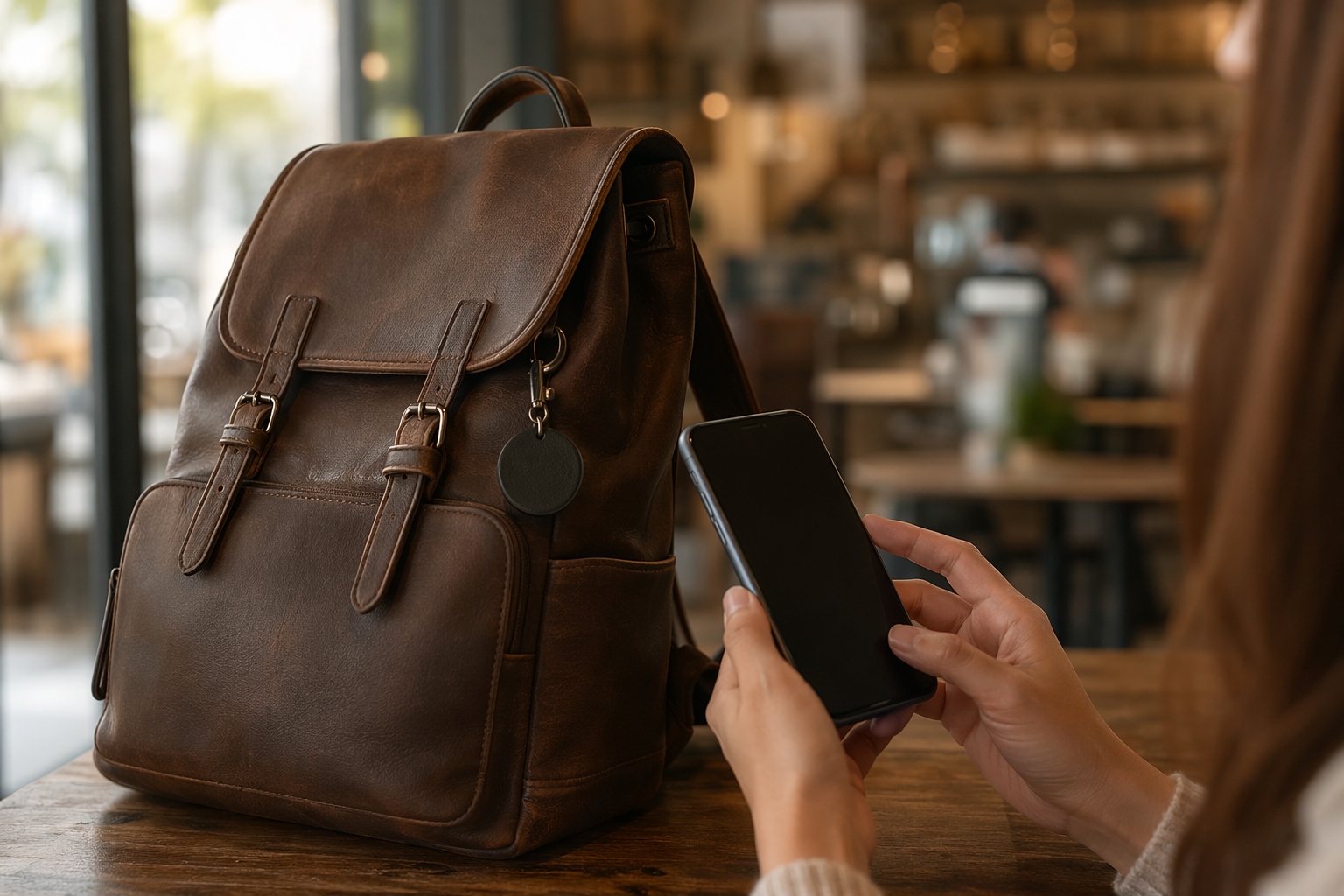
A camera is not just hardware. It holds the restaurant you stumbled into on a side street, the sunrise you woke up at 4 a.m. to catch, and the faces of people you'll never see again. Losing it mid-trip — or arriving home without it — is a particular kind of gut-punch. The good news: cameras are returned to their owners more often than you'd think, especially when the right steps are taken quickly. This guide walks through exactly what to do whether you've lost your DSLR or mirrorless camera on a trip, or you've just found one and want to get it back to its owner.
If You Just Lost Your Camera: Act Fast
The first hour matters most. Memory fades, honest finders move on, and venues clear lost property quickly. Here's where to focus your energy immediately.
- Retrace your steps physically. Go back to every location you visited since you last had the camera. Ask staff at each venue, not just the front desk — a cleaner, a waiter, or a security guard may have picked it up.
- Check your last photo's metadata. Open your phone's cloud backup or the last photo you transferred. If your camera had GPS enabled, the EXIF data will contain coordinates pinpointing exactly where the last shot was taken. On a Mac, open the file in Preview and check Tools → Show Inspector. On Windows, right-click → Properties → Details.
- Report to the hotel, tour operator, and venue immediately. Leave your contact details in writing with each one. A good hotel will log found property and contact you — but only if they have your number.
- File a police report. This feels bureaucratic, but it serves two purposes: it creates a paper trail for your insurance claim, and it gives officers a reason to act if your camera turns up at a pawnshop.
- Note your serial number. Check your original receipt, the manufacturer's registration, or your email confirmation from the shop. We cover this in more detail below.
Search Facebook Lost-and-Found Groups for Your Destination
Almost every popular travel destination has a Facebook group dedicated to lost and found items. Search for "Lost and Found [City Name]" or "Lost Property [Country Name]" and post a photo of your camera model (not the photos on it), the date and area you lost it, and your contact details. Be specific about the strap, case, or bag — these details help honest finders recognize your item and reach out with confidence. Pin the post if the group allows it, and check back daily. These communities can be surprisingly active and effective, particularly in tourist-heavy cities in Southeast Asia, Europe, and Latin America.
Lost in Transit? Contact the Airline and Airport Lost Property
If you think you left your camera on a plane, in an airport lounge, or at a security checkpoint, contact the airline's lost property desk within 24 hours — most airlines hold unclaimed items for between 24 hours and 30 days before disposing of them. Each airport also operates its own lost and found service, separate from the airline's. Search the airport's official website for "lost property" — most have an online form. For cameras lost at TSA security in the US, file a report directly at tsa.gov/travel/passenger-support. European airports typically use a third-party lost property operator such as Reclaim Co or Lost Property Office. Keep your boarding pass; staff will ask for it to verify you were on that route.
The SD Card Trick: A Simple Lifeline for Honest Finders
This takes two minutes to set up before any trip. Create a plain text file called OWNER_CONTACT.txt and save it in the root folder of every SD card you travel with. Include your name, email address, phone number, and optionally a reward offer. Many honest finders — especially those who are curious about the photos on the card — will plug the SD card into a computer and see the file immediately. A simple message like "If found, please contact [name] at [email]. Reward offered. Thank you." is enough. It costs nothing and has reunited travelers with their cameras more times than any formal system.
Camera Insurance: What's Actually Covered
Travel insurance policies vary significantly in how they handle cameras. Before assuming you're covered, check the following:
- Single item limits. Most travel insurance policies cap individual electronics at £500–£1,000. A mid-range mirrorless body alone can exceed that. Check your policy's "single article limit" — it's usually buried in the schedule of benefits.
- Unattended item clauses. Leaving your camera on a restaurant table while you use the bathroom can void your claim. Policies often require the item to have been "on your person" or in a locked container.
- Accidental loss vs. theft. Some budget policies only cover theft (with a crime reference number), not accidental loss. Know which category applies before you file.
- Specialist camera insurance. For serious photographers, dedicated policies from providers like Lenstag, Protect Your Bubble, or your national photography association often offer better per-item limits and fewer exclusions than general travel cover.
- Credit card coverage. Some premium travel credit cards include purchase protection or travel insurance that covers cameras. Check your card benefits before buying separate cover.
If You Found a Camera: How to Return It
Found a camera and want to do the right thing? Here's a practical checklist that respects the owner's privacy while giving you the best chance of reuniting them with their gear.
- Check the SD card for a contact file. Before scrolling through photos, plug the card into a computer and look for a text file in the root folder (see the SD card trick above). This is the quickest route to the owner.
- Look at the last few photos for context clues. The final photos may show a hotel name, a tour bus, a restaurant, or a landmark that helps narrow down where the owner was heading.
- Hand it in to local police. In many countries, police are required to log found property and will make an effort to contact the registered owner if the serial number is recorded.
- Try a local camera shop. Independent camera retailers often know the local photography community and may recognize the equipment or know the owner directly.
- Post on social media. A photo of the camera model (not the photos on the card) posted to local Facebook groups and Twitter/X with the hashtag #lostcamera and the city name can reach the owner within hours.
- Check the camera strap or bag for a Tagback QR sticker. Increasingly, travelers attach QR code tags to their camera body and bag. Scanning the code takes you straight to a contact page — no need to open the SD card, install an app, or guess who owns it.
Prevention: The Smartest Thing You Can Do Before You Travel
Recovery is stressful and uncertain. Prevention is cheap and reliable. These steps take less than 30 minutes to set up before any trip.
- Attach a QR code tag to your camera body and camera bag. A Tagback QR sticker can be placed on the bottom of your camera body, on the strap, or on your bag. Any finder with a smartphone can scan it and reach your contact page instantly — without opening the SD card, without knowing your serial number, and without needing any app. This is the single most effective passive recovery tool available.
- Place a GPS tracker inside your camera bag. Compact Bluetooth and GPS trackers (Apple AirTag, Tile, Samsung SmartTag) fit easily inside a camera bag pocket. They won't help if someone swaps the bag contents, but they dramatically improve your chances if the whole bag is taken or left behind.
- Create the OWNER_CONTACT.txt file on every SD card. Two minutes now, potentially hours saved later.
- Enable geotagging on your camera. Many mirrorless cameras pair with a phone app to log GPS coordinates in photo EXIF data. This is invaluable for retracing your steps.
- Back up your photos every evening. Even if the camera is never recovered, losing the hardware is far less devastating than losing the photos. A portable SSD or automatic cloud sync via the manufacturer's app means you keep the memories regardless.
Serial Number Registration: Why It Matters More Than You Think
Your camera's serial number is engraved on the body — usually on the bottom plate or inside the battery compartment. Register it in two places before you travel:
- With the manufacturer. Canon, Nikon, Sony, Fujifilm, and most major brands offer free serial number registration. If the camera is ever reported stolen and then shows up for a warranty repair, the manufacturer can flag it.
- With Lenstag or a similar database. Lenstag is a free global database where photographers register their gear. If a stolen or lost camera is sold and the buyer registers it, Lenstag alerts you. Camera dealers and pawnshops in many cities check this database before purchasing second-hand equipment.
- On your insurance policy. If you have camera or travel insurance, the serial number must appear on the policy for a claim to be processed. Add it when you buy coverage, not after you've lost the camera.
- In your own records. Photograph the serial number plate with your phone and email it to yourself. Store it in your notes app or a password manager. You cannot file an effective police report without it.
Serial numbers are the connective tissue between a lost camera and its recovery. Police can enter them into national databases. Customs officers can flag them at borders. Pawnshops in responsible jurisdictions are legally required to check them. A camera without a registered serial number is significantly harder to recover through official channels.
Cameras carry more than images — they carry the effort, the planning, and the irreplaceable moments of a journey. A few minutes of preparation before you leave, and a clear-headed response if something goes wrong, can mean the difference between a frustrating loss and a happy reunion. The combination of a QR tag on your camera body, a contact file on your SD card, and a registered serial number gives any honest finder everything they need to get your camera back to you — wherever in the world you are.
FAQ
What should I do first if I lost my camera while traveling?+
Physically retrace your steps immediately and ask staff at every venue you visited. Check the EXIF metadata of your last transferred photo for GPS coordinates if your camera had geotagging enabled. Report the loss to your hotel, the local police (for an insurance crime reference number), and any venue where you think it was left — all within the first few hours.
How can a finder return my lost DSLR or mirrorless camera?+
The easiest ways for a finder to return a camera are: scanning a QR code tag on the camera body or bag (like a Tagback sticker), checking the SD card for an OWNER_CONTACT.txt file with your email or phone number, or handing it to local police who can trace the serial number. Posting to local Facebook lost-and-found groups with a photo of the camera model also helps connect finders with owners quickly.
Does travel insurance cover a lost camera?+
It depends on your policy. Most travel insurance covers cameras, but single-item limits (typically £500–£1,000) may fall short of your camera's value. Check whether your policy covers accidental loss or only theft, and whether "unattended item" clauses apply. For high-value camera gear, a specialist camera insurance policy from providers like Lenstag or Protect Your Bubble usually offers better coverage than standard travel insurance.
What is the SD card trick for lost cameras?+
Create a plain text file called OWNER_CONTACT.txt and save it to the root folder of every SD card you use when traveling. Include your name, email address, and phone number. Many honest finders will plug the card into a computer out of curiosity — seeing the file immediately gives them everything they need to contact you, without any app or technical knowledge required.
Start protecting what matters
Tagback is free, forever. No subscription. No app needed for finders.
Create your free tag