
Medical ID Bracelet for Diabetes: What to Wear, What to Engrave, and Why It Matters
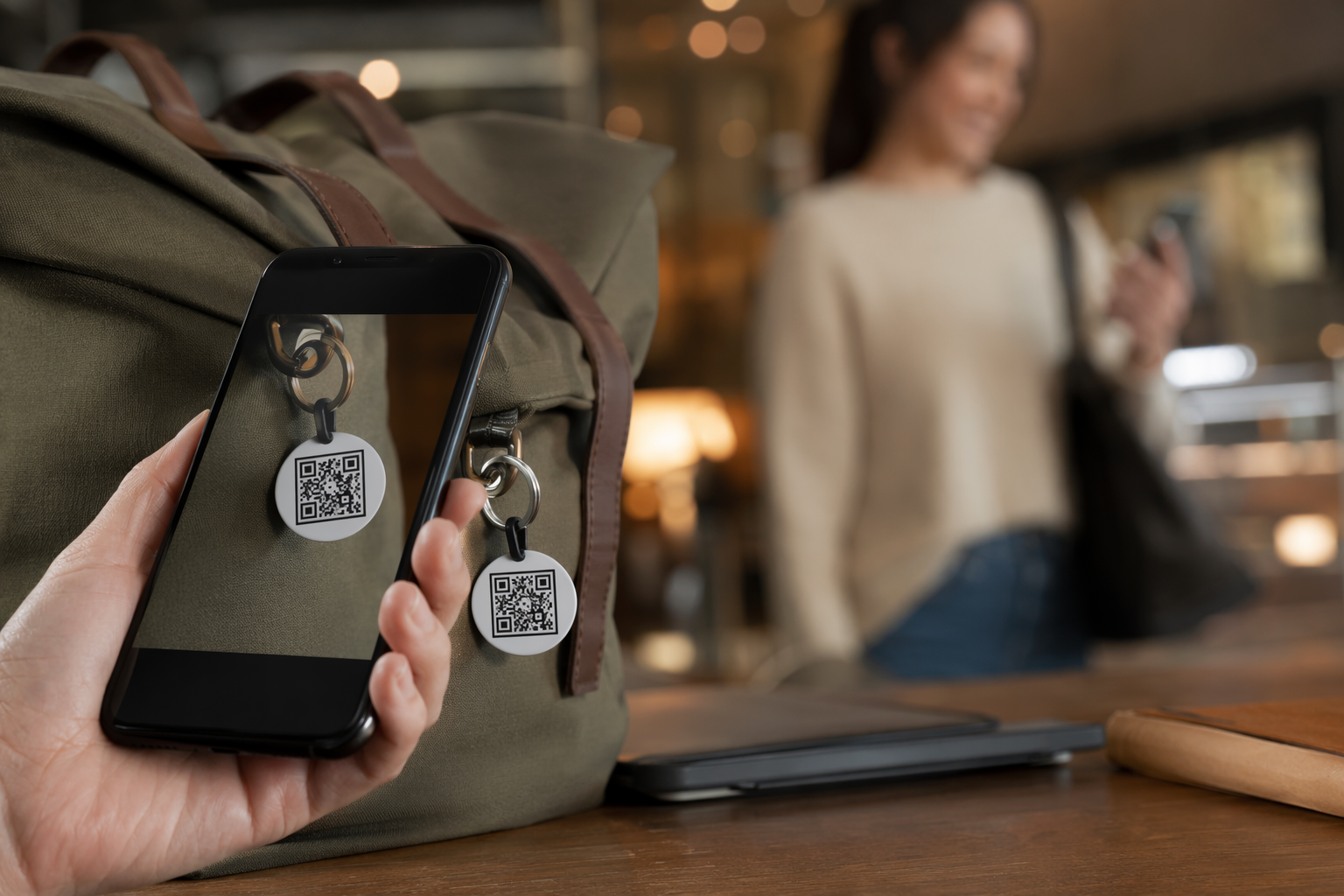
In a diabetic emergency, bystanders and first responders have seconds to understand what is happening. A hypoglycemic episode can look like intoxication. Severe hyperglycemia can cause confusion that mimics a stroke or head injury. One piece of information — that you have diabetes — changes the entire response. The right medical ID delivers that information instantly, even when you cannot speak for yourself.
This guide covers everything a person with diabetes — or a caregiver — needs to know: why the ID matters, what to put on it, which type to choose, and how a QR code tag can carry far more detail than any engraved bracelet.
Why Diabetics Need a Medical ID
Diabetes is one of the most common chronic conditions in the world, yet its emergencies are routinely misread by untrained observers. Hypoglycemia — low blood sugar — causes shakiness, slurred speech, aggression, and loss of coordination. It looks almost identical to alcohol intoxication. A person found unresponsive in a park or slumped in a car may wait critical minutes for help simply because no one knows to give them glucose.
Hyperglycemia and diabetic ketoacidosis (DKA) produce confusion, deep or labored breathing, and a fruity smell on the breath that can be mistaken for alcohol or a neurological event. Without context, paramedics will treat for what they can observe. With a medical ID, they treat for what is actually happening.
Emergency Medical Technicians (EMTs) and paramedics are trained to check both wrists and the neck for medical alert jewelry before administering treatment. A clearly visible diabetic ID tag can prompt the right response within the first minute of contact — before lab results, before hospital records, before anyone has reached a family member by phone.
What to Engrave on a Diabetic Medical ID
Engraving space is limited. Every word must earn its place. The goal is to give a first responder the critical facts in under five seconds.
Minimum information for any diabetic ID:
- DIABETIC — always the first word, in capitals. This is what a responder scans for.
- Type 1 or Type 2 — determines whether insulin is likely involved and what the metabolic risks are.
- INSULIN DEPENDENT (if applicable) — critical for responders who need to know a glucose spike could indicate missed insulin, not just dietary error.
- Emergency contact number — one number, the person most likely to answer at any hour.
What NOT to include on an engraved tag: your full medication list, your doctor's name, your insurance information, lengthy instructions. A tag that takes 30 seconds to read is no faster than no tag at all. Save that detail for a digital profile linked from a QR code.
Types of Medical ID Bracelets for Diabetes
Not all medical IDs are equal. Each format has a different balance of durability, readability, and the amount of information it can carry.
- Silicone wristbands — inexpensive, comfortable, and waterproof. Popular with children and athletes. The limitation is that printed text fades with sun exposure and sweat, and the bands themselves can break. Fine as a backup, not ideal as a primary ID.
- Metal engraved bracelets — the traditional medical alert standard. Stainless steel or sterling silver is durable, legible, and immediately recognizable to trained responders. Limited to a few lines of text, but those lines are permanent.
- USB medical ID — a drive worn as a tag or bracelet charm that stores detailed health records. Requires a computer to read, which is impractical in most field emergencies. Better suited as a supplement to a visible engraved tag.
- QR code medical ID — a physical tag (silicone, metal, or card) with a scannable QR code that links to a full digital health profile. No app required for the person scanning it — any smartphone camera opens the page. The profile can be updated any time without replacing the tag.
QR Medical ID for Diabetes: What the Profile Should Include
A QR code medical ID solves the fundamental problem of engraved tags: you cannot fit a complete clinical picture on a piece of metal the size of a thumbnail. With a QR tag, the physical surface shows the essentials — DIABETIC, emergency number — and the linked profile carries everything else.
A well-built diabetic QR profile should include:
- Diagnosis details: Type 1 or Type 2, year of diagnosis, insulin-dependent status
- Insulin type and current dose — for example, basal and bolus insulin names and units
- CGM device in use (Dexcom, Libre, Medtronic) and any relevant alert thresholds
- Target blood glucose range and what readings indicate an emergency
- Emergency contacts: name, relationship, and phone number for at least two people
- Primary care physician and/or endocrinologist name and clinic number
- Drug allergies and any other medical conditions
- Glucagon kit location if the person carries one
With Tagback, this profile is hosted on a secure page that opens instantly in any smartphone camera — no app download, no account required for the person scanning. When your insulin dose changes, your CGM device changes, or your emergency contact number changes, you update the profile online and the physical tag stays exactly the same. There is nothing to re-engrave and nothing to replace.
Kids with Type 1 Diabetes: Special Considerations
Children with Type 1 diabetes face unique challenges that go beyond emergency response. Their medical ID needs to work not just for paramedics, but for school nurses, substitute teachers, coaches, and parents of friends hosting a playdate.
For a child's ID, the engraved surface should still read simply: TYPE 1 DIABETIC / INSULIN DEPENDENT plus a parent's mobile number. The QR profile, however, can carry a layer of information aimed specifically at school and community settings:
- Low blood sugar symptoms specific to this child (some go pale and quiet; others become aggressive or tearful)
- What the child is allowed to eat to treat a low, and where snacks are kept
- Whether the child can self-manage or needs adult assistance
- School nurse name and direct extension
- Both parents' numbers, plus a backup adult contact
- CGM app access information if parents share the feed remotely
A silicone QR wristband in a bright color is practical for children — comfortable enough to wear through sport and swimming, visible enough that a teacher or coach can spot it quickly. Pair it with a backup ID tag on the child's school bag.
Where to Wear a Diabetic Medical ID
Placement matters. Emergency responders follow a standard search pattern, and wearing your ID in an unexpected location reduces the chance it will be found quickly.
- Dominant wrist — the first place most EMTs check. This is the standard position and the one medical alert jewelry has always been designed for.
- Non-dominant wrist — also acceptable, and some people prefer it for comfort. The key is that it is visible.
- Ankle band — useful for people who cannot wear wrist jewelry at work (surgeons, food handlers). Less likely to be found in the first pass during a roadside emergency.
- Dog tag necklace — visible at the collar line, easy to see when a shirt is loosened during assessment. A practical alternative for those who dislike bracelets.
- Shoe tag or bag tag — acceptable as a secondary ID for children or athletes, but should never be the only ID. Shoes and bags get separated from people in accidents.
The professional consensus is clear: the wrist is the primary location. If you can only wear one ID, wear it on your wrist. If you wear multiple, treat the wrist tag as the anchor and anything else as backup.
Digital Health Records vs. a Physical ID: Why You Still Need Both
Health apps have made enormous progress. Apple Health, Google Health Connect, and dedicated diabetes management apps like Dario or MySugr can store detailed medical profiles. Some even have emergency contact features accessible from the lock screen. So does that replace a physical diabetes medical alert bracelet?
Not yet, and not reliably. Here is why a physical tag remains essential:
- Your phone may not be with you — it can be in another room, in a bag, or have a dead battery.
- First responders are not always trained on health app protocols — checking a stranger's phone raises privacy and procedural questions that a visible bracelet does not.
- Lock screen access varies — Medical ID on iOS requires the feature to be set up and enabled. Many people never do this.
- A bracelet cannot be accidentally turned off — it requires no battery, no software update, no password.
- Physical visibility triggers recognition instantly — a trained responder sees the ID emblem and knows what they are dealing with before they have even touched your wrist.
The right approach is layered: a physical QR medical ID on your wrist as the primary signal, a digital health profile behind the QR code for full detail, and your phone's health app as a tertiary backup. Each layer covers the gaps in the others.
FAQ
Does a diabetic really need a medical ID?+
Yes. Hypoglycemia — low blood sugar — is one of the most commonly misidentified medical emergencies because its symptoms (confusion, slurred speech, aggression, loss of coordination) closely resemble intoxication or a neurological event. A medical ID ensures that first responders treat for diabetes immediately, rather than losing critical minutes on the wrong diagnosis. For insulin-dependent diabetics, this distinction can be life-saving.
What should a Type 1 diabetic ID say?+
At minimum: TYPE 1 DIABETIC, INSULIN DEPENDENT, and an emergency contact phone number. If you are using a QR medical ID, the engraved or printed surface can stay this simple while the linked digital profile carries your full medication list, insulin type and dose, CGM device, doctor contact, and allergies. Keep the physical surface scannable in under five seconds.
Can first responders scan a QR tag?+
Yes. Any modern smartphone camera — iPhone or Android — reads a QR code without any app. The page that opens should work without requiring the responder to log in or download anything. Tagback profiles are designed exactly this way: scan the tag, see the profile, no barriers. Most paramedic services now carry smartphones as standard equipment, and the QR scan takes under three seconds.
What is the best medical ID for a child with Type 1 diabetes?+
A brightly colored silicone wristband with a QR code is practical for children — it is comfortable for all-day wear, survives water and sport, and the linked profile can hold information useful for school nurses and teachers, not just paramedics. Pair it with a backup tag on the child's school bag. The profile should include the child's specific low blood sugar symptoms, treatment instructions, and both parents' mobile numbers.
Start protecting what matters
Tagback is free, forever. No subscription. No app needed for finders.
Create your free tag