
Left Something at a Hotel? Here's Exactly What to Do
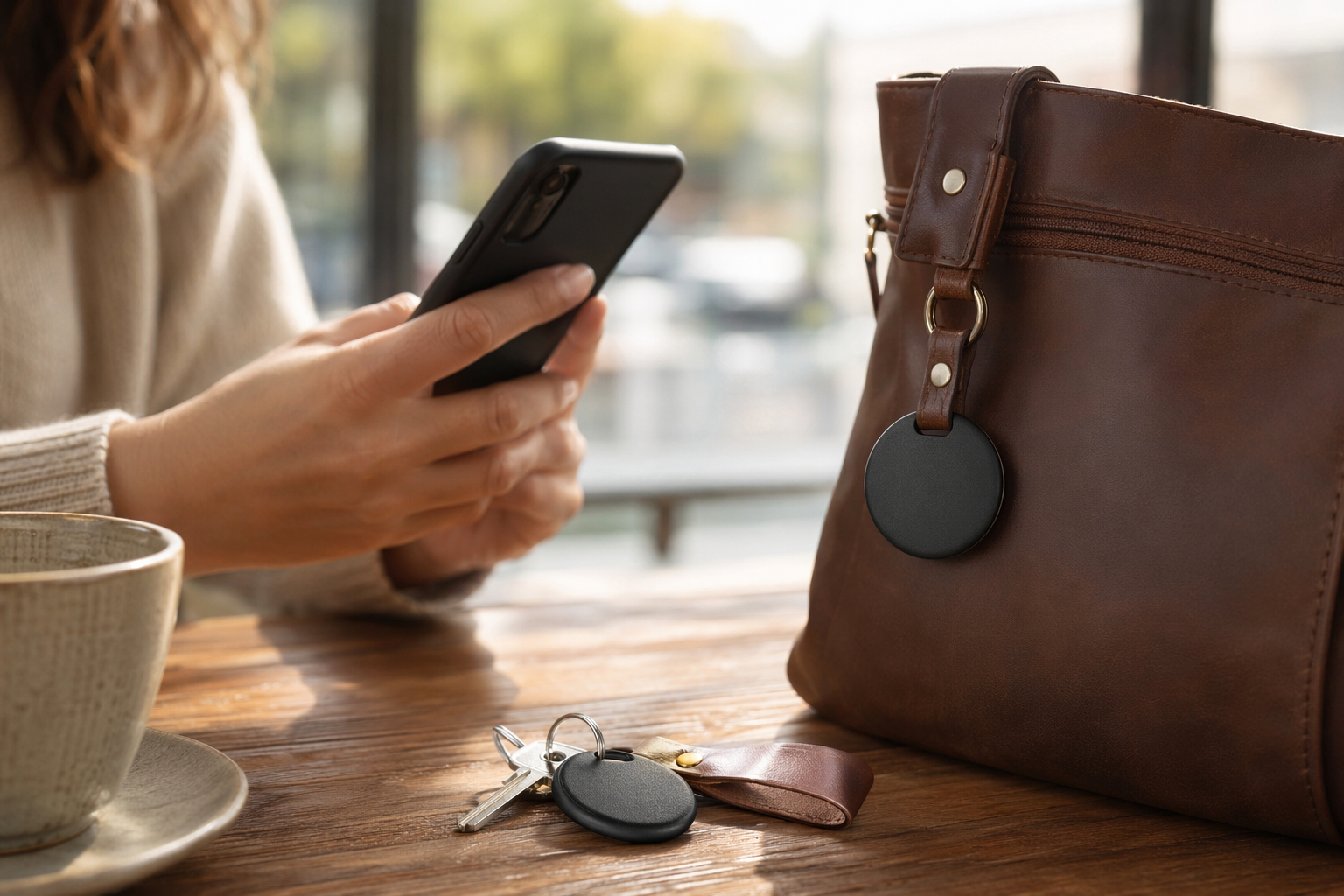
You're already on your way home — or worse, at the airport — when the realization hits: you left something at the hotel. Take a breath. You're not alone. Studies suggest that 54% of travelers leave at least one item behind during a hotel stay. The good news is that most hotels have well-established lost and found procedures, and the majority of forgotten items are recovered. The bad news is that speed matters — a lot. The first 24 hours are critical.
Call the Hotel Immediately — Not Email
Email is too slow. Pick up the phone and call the hotel's main number right now. But here's the key detail most people miss: don't just talk to the front desk. Ask to be transferred directly to the housekeeping department. Housekeeping staff are the ones who physically find items in rooms — they often hold things at their station before logging them into the formal lost and found system, which can introduce a delay of hours or even a full day.
When you get someone on the line, be specific. Have ready: your full name, check-in and check-out dates, your room number, and a detailed description of the item — including brand, color, serial number if applicable, and exactly where in the room you think you left it. The more detail you give, the faster they can locate it.
What Hotels Do with Found Items
Hotel lost and found procedures are more structured than most guests realize. When a housekeeper finds an item, it's typically logged with a description, the room number, the date found, and the name of the staff member who found it. The item is then moved to a central lost and found storage area — often managed by the front desk or security.
Holding periods vary by item type. Most hotels follow these general guidelines:
- Electronics (phones, laptops, chargers): Held up to 3–6 months due to high value
- Clothing and accessories: Typically held 60–90 days
- Jewelry and valuables: Often transferred to hotel security; held up to 6 months
- Books, toiletries, and personal items: Usually held 30–60 days
- Perishable food or medication: Discarded within 24–48 hours for hygiene reasons
After the holding period expires, unclaimed items are typically donated to charity, given to the staff member who found them, or disposed of — depending on the hotel's policy. This is why acting quickly is so important.
Major Hotel Chain Lost and Found Procedures
The major chains all have slightly different systems. Knowing the right channel for your hotel brand saves time.
- Marriott: Submit a lost item report at help.marriott.com under "Lost & Found." Also call the specific property directly — the online form routes to corporate, not the hotel.
- Hilton: Use the online form at help.hilton.com or contact the property directly. Hilton properties handle lost and found independently, so a direct call is faster.
- Hyatt: Hyatt does not have a centralized lost and found portal. You must call the specific hotel. Ask for the housekeeping manager by name if possible.
- IHG (Holiday Inn, Crowne Plaza, etc.): IHG properties operate independently. Call the hotel directly and request a formal lost item report number — this creates a paper trail if you need to follow up.
Regardless of brand, the best approach is always call the hotel AND submit any available online form. The call gets a human looking for your item today; the form creates a documented record if you need to escalate.
If the Hotel Says They Don't Have It
Don't give up after the first call. Front desk staff search the central lost and found — but items often sit at a housekeeper's cart or a floor supervisor's station for hours before being formally logged. If the front desk comes up empty, ask specifically:
- Speak to the housekeeping manager who supervised your floor or room on the day you checked out.
- Ask whether your specific room has been cleaned yet — if your checkout was recent, the item may still be in the room.
- Request a callback if the item turns up in the next 24–48 hours, and give them your contact information.
- Call back the following morning — night shift logs are often reconciled in the morning, and your item may appear in the system overnight.
If the hotel confirms the item is genuinely missing after exhausting these steps, consider filing a police report (useful for insurance claims) and checking whether your credit card offers travel protection coverage.
Getting Your Item Shipped Back
Most hotels will ship a recovered item back to you — but at your expense. Expect to pay for the shipping carrier of the hotel's choice, plus a small handling fee (typically $5–$15). High-end hotels may use FedEx or UPS and will email you a tracking number; budget properties may ask you to provide a prepaid shipping label.
If the hotel is uncooperative about shipping, or if you left something at a short-term rental or vacation property, third-party recovery services can help:
- ILeftMyStuff.com — Coordinates item retrieval and shipping from hotels and vacation rentals worldwide.
- Deliverback — Operates across major hotel chains and airports; handles the logistics of collecting and shipping your item to you.
For valuable or fragile items, request that the hotel photograph the item before packaging it, and ask them to use appropriate padding. You can also request insurance on the shipment for high-value items like electronics or jewelry.
The Most Commonly Forgotten Hotel Items
Knowing what's most often left behind helps you build a quick mental checklist before you zip up your bag:
- Phone and laptop chargers — The undisputed #1 forgotten item. Chargers are so routinely abandoned that many hotels now keep a "charger drawer" at the front desk to loan or give away unclaimed cables.
- Clothing — Items left on hooks behind bathroom doors or under beds are the easiest to miss.
- Toiletries and medications — Prescription medications left behind are treated as urgent by hotel staff.
- Books and e-readers — Often left on nightstands or in the in-room safe.
- Jewelry and watches — Left on bathroom counters or in charging spots by the bed.
- Laptops and tablets — Sometimes left in the hotel safe. Always check the safe before checkout.
- Children's items — Stuffed animals, toys, and comfort items. Some hotels go the extra mile to mail these back to children at no charge.
Before every checkout: check the safe, the bathroom hook, under the bed, behind the TV, and every drawer. Set a phone alarm labeled "CHECK SAFE" for 30 minutes before checkout time.
Prevent It Next Time: QR Tags for Your Gear
Recovery depends on someone being able to connect your item to you. The most reliable way to make that happen is a scannable QR tag attached to your gear before you travel. When a housekeeper or hotel guest finds your laptop, charger, or headphones in a room after you've checked out, they can scan the tag and reach you directly — no app required, no personal details exposed.
Tagback QR tags are designed exactly for this. Small enough to stick on a laptop lid, a charger cable, or the inside of a luggage handle, each tag links to a secure contact page. The finder sees only what you choose to share — typically a way to message you anonymously. Travelers who tag their gear recover forgotten items far more often than those who don't.
High-priority items to tag before your next trip: laptop, chargers and cables, headphones, camera, luggage, and any medication bag. If it would ruin your trip to lose it, it's worth a tag.
Check Your Credit Card Travel Protections
If your item is not recovered, your credit card may have you covered. Many premium travel cards include personal effects coverage or travel accident and baggage protection that extends to items lost or stolen during a trip — including forgotten items at hotels, depending on the card's terms.
Cards worth checking include the Chase Sapphire Reserve, American Express Platinum, and Citi / AAdvantage Executive cards, among others. Coverage limits and exclusions vary, but high-value items like laptops, cameras, and jewelry are often eligible. You'll typically need to file a police report and provide a receipt or proof of value. Call the number on the back of your card and ask specifically about "travel personal effects" or "baggage loss" benefits.
FAQ
How long do hotels keep lost items?+
Most hotels hold lost items for 30 to 90 days, depending on the item type and the hotel's policy. Electronics and valuables are often kept longer — up to 6 months — while perishables and low-value toiletries may be discarded within 24 to 48 hours. Luxury and chain hotels tend to have longer holding periods and more formal logging systems. Call as soon as you realize something is missing to maximize your chances of recovery.
Will a hotel ship my forgotten item back to me?+
Yes, most hotels will ship a recovered item back to you, but the cost is typically the guest's responsibility. You can expect to pay standard shipping rates plus a small handling fee, usually between $5 and $15. Some hotels will ask you to provide a prepaid shipping label. If the hotel is unwilling to help with shipping, third-party services like ILeftMyStuff.com and Deliverback specialize in coordinating recovery and return shipping from hotels.
What if the hotel says they don't have my item?+
Don't accept the first answer as final. Ask to speak directly to the housekeeping manager who supervised your specific room and floor on your checkout day. Items often sit at a housekeeper's cart or floor station before being logged into the central lost and found system, which can take several hours. Call back the following morning, as overnight logs are often reconciled at the start of the day shift. If the item remains missing after 48 hours of follow-up, file a police report for insurance purposes and check your credit card's travel protection benefits.
My laptop was left at a hotel — what do I do?+
Call the hotel immediately and ask for housekeeping directly — not just the front desk. Provide your room number, check-in and check-out dates, and a detailed description of the laptop including the brand, model, color, and any identifying stickers or markings. If the hotel cannot locate it after 24–48 hours, file a police report and contact your credit card company to ask about travel personal effects or baggage loss coverage. For the future, attach a QR tag to your laptop so anyone who finds it in a hotel room can contact you instantly without needing your personal information.
Start protecting what matters
Tagback is free, forever. No subscription. No app needed for finders.
Create your free tag