
Elderly Parent Living Alone Safety: What Actually Helps
There's often a specific moment when it hits you. Maybe it's a phone call that goes unanswered for a few hours too long. Maybe it's a small bruise your parent can't quite explain. Maybe it's just the quiet realization that their world has gotten a little smaller and a little more fragile. When a parent moves into their seventies or eighties living alone, the risk profile shifts — often before anyone is ready to talk about it.
This guide is written for you, the adult child, not your parent. It's a practical checklist of what genuinely helps — not a lecture about having difficult conversations, but the actual tools, systems, and habits that reduce risk and give both of you more peace of mind. You don't need to implement everything at once. Start with the areas of highest concern and build from there.
Fall Prevention: The #1 Risk for Elderly People Living Alone
Falls are far and away the leading cause of injury among older adults. The CDC estimates that falls cause around 36 million injuries every year in the United States, and the consequences — broken hips, head injuries, long hospital stays — are severe. For someone living alone, a fall can mean lying on the floor for hours before anyone knows.
The good news is that most fall risks are preventable with straightforward changes:
- Grab bars in the bathroom. Install them beside the toilet and inside the shower or tub. A licensed handyman can do this in an afternoon for under $200.
- Non-slip mats and rugs. Remove loose rugs entirely, or use double-sided tape and non-slip backing on any that stay. Add non-slip mats inside and outside the tub and shower.
- Lighting. Motion-sensor night lights in hallways, bedrooms, and bathrooms. Falls often happen at night when your parent gets up without turning a light on.
- Clear pathways. Remove clutter, low furniture, and extension cords from walking paths. This is especially important between the bedroom and bathroom.
- Footwear. Socks on hard floors are a slip hazard. Encourage non-slip slippers or shoes worn indoors.
- Stair rails. Ensure handrails are secure on both sides of any staircase. If stairs are a major risk, consider whether a ground-floor bedroom is possible.
Medical Alert Systems
If your parent falls and cannot reach a phone, a medical alert system can be the difference between a manageable emergency and a tragedy. The market has evolved significantly — there are now options beyond the classic "I've fallen and I can't get up" button.
- Traditional medical alert devices (e.g. Life Alert, Medical Guardian). A wearable button that connects to a 24/7 monitoring centre. Pros: simple to use, purpose-built for this, works without a smartphone. Cons: monthly subscription fee ($25–$60/month), your parent has to actually wear it.
- Apple Watch fall detection. The Apple Watch Series 4 and later can detect a hard fall and automatically call emergency services if your parent is unresponsive. Pros: no extra device, fall detection is automatic. Cons: requires iPhone, battery must be charged daily, higher upfront cost.
- Amazon Echo emergency calling. Alexa can place calls to a designated contact or to emergency services using voice commands only. Pros: hands-free, no wearable required. Cons: only works within earshot of the device, not useful if your parent is outside or in another room.
The honest answer is that the best system is the one your parent will actually use. If they refuse to wear a device, a wearable button does nothing. If they won't charge a smartwatch daily, that's also a non-starter. Have a frank conversation about what feels manageable to them.
Daily Check-In Systems
Consistent daily contact is one of the most effective safety measures available — and one of the most underrated. A simple routine of knowing your parent is awake and moving creates a safety net that technology alone can't fully replace.
- Scheduled phone calls. A brief call every morning at a set time. If it goes unanswered, you follow up. Simple, free, and it also combats isolation.
- Smart home check-in devices. Devices like Amazon Echo or Google Nest can be configured to send you an alert if certain routines aren't followed — for example, if no motion is detected by a certain time.
- Wellness check apps. Services like CarePredict, Lively Mobile, or even simple shared location apps give you passive insight into whether your parent is moving around as usual. Some use motion sensors around the home rather than GPS.
- Neighbour or friend network. Ask a trusted neighbour to let you know if they haven't seen your parent by a certain time. This requires a direct conversation with that neighbour, but it's highly reliable.
Medication Management
Medication errors are a significant cause of hospitalisation among older adults — missed doses, double doses, and dangerous combinations are all common. Managing multiple medications across the day is genuinely difficult, especially if your parent's memory is changing.
- Automatic pill dispensers. Devices like Hero or MedMinder dispense the correct dose at the correct time and alert you if a dose is missed. Expensive upfront but worth it for complex medication regimens.
- Pharmacy blister packs. Many pharmacies will pre-package medications in blister packs labelled by day and time at little or no extra charge. Ask your parent's pharmacist.
- Medication reminder apps. Apps like Medisafe send phone reminders and can notify you if a dose is missed. A low-cost starting point.
- Pharmacy delivery. Services like Amazon Pharmacy or local delivery reduce the burden of getting to a pharmacy and remove one barrier to adherence.
Emergency ID and Contact Information
If your parent has a medical emergency away from home — a fall in a parking lot, a collapse in a shop — first responders need to know who they are, what medications they take, what conditions they have, and who to call. Most people have none of this accessible.
A practical setup has two layers:
- An ICE card on the fridge. "In Case of Emergency" — a one-page card with your parent's full name, date of birth, primary physician, medical conditions, current medications with dosages, allergies, and your contact number. Paramedics are trained to check the fridge in a home emergency.
- Something on the person at all times. A medical ID bracelet, a card in the wallet, or a wearable QR tag linked to a full emergency profile. This is what helps outside the home.
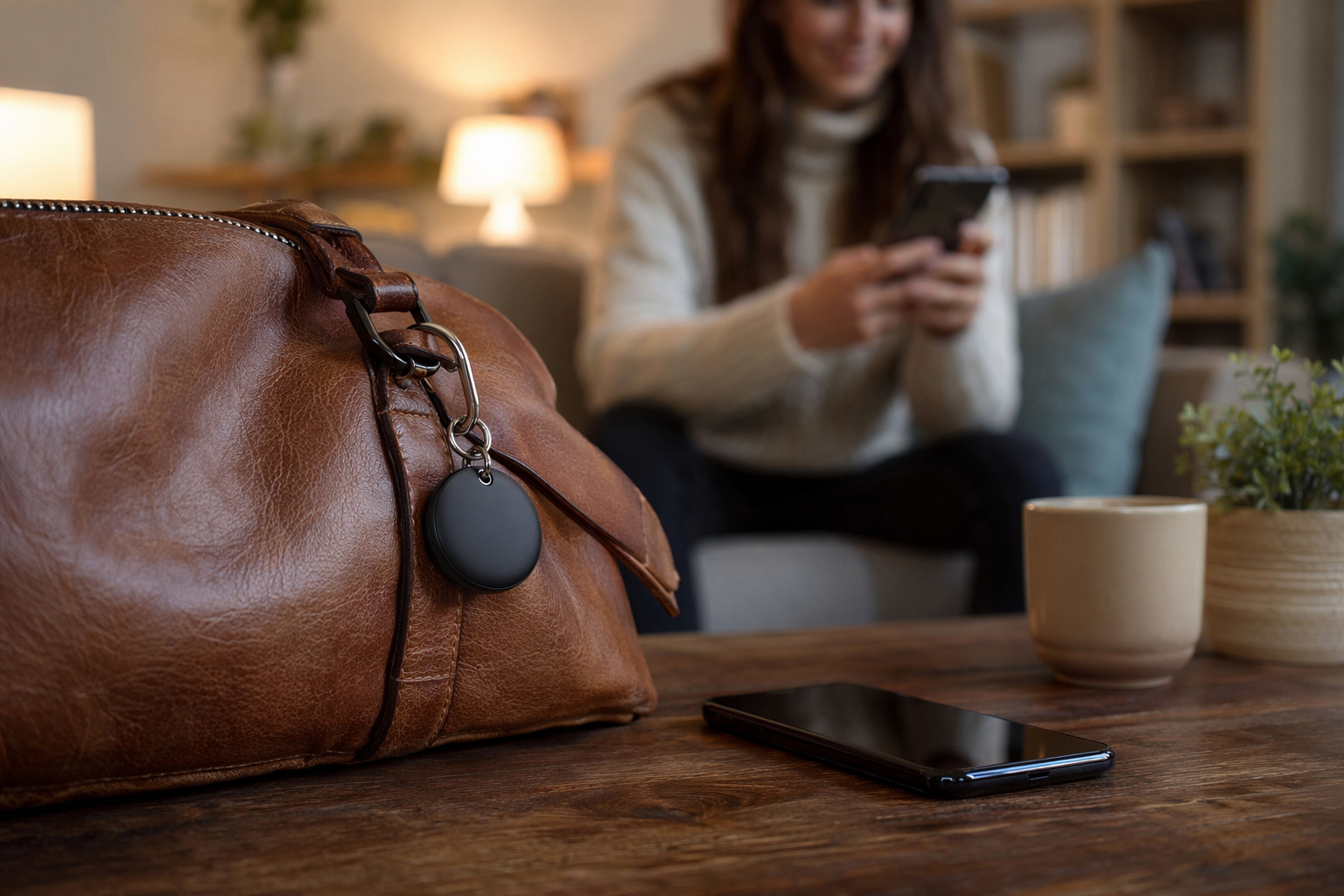
The limitation of physical cards and engraved bracelets is that they go out of date the moment a medication changes or a new diagnosis is added. A Tagback QR tag solves this directly: your parent wears or carries the tag, and anyone who scans it — a paramedic, a bystander, an ER nurse — instantly sees their current medications, medical conditions, doctors, and your contact information. When their GP adds a new prescription, you update the profile online. The tag itself never needs to be replaced.
Cognitive Decline: Early Signs and When to Act
Cognitive decline often appears gradually, and it's easy to explain away early signs as normal aging. Knowing what to look for gives you a clearer basis for conversation and action.
- Missed bill payments or financial confusion that is new or worsening
- Getting lost in familiar areas, or confusion about dates and times
- Repeating the same question or story within a short conversation
- Difficulty following recipes, instructions, or familiar tasks
- Changes in mood, personality, or social withdrawal
- Unexplained weight loss (forgetting to eat, or forgetting to shop)
If you're noticing several of these, it's worth a conversation with their GP. A formal cognitive assessment can clarify whether what you're seeing is within the normal range or something that warrants closer monitoring. The earlier you have this information, the more options you have.
Home Security
Older adults living alone can be targets for scams, uninvited visitors, and break-ins. A few straightforward upgrades significantly reduce this risk.
- Video doorbell. Devices like Ring or Nest Hello let your parent see who is at the door without opening it — and let you see it too via the app. Reduces the pressure to open the door to strangers.
- Smart lock or door chain. A keypad smart lock means your parent is never locked out, and you can let in trusted visitors remotely if needed.
- Door and window sensors. A simple alarm that chimes when a door or window is opened provides reassurance without being intrusive.
- On cameras indoors: Interior cameras can be useful in cases of significant cognitive decline, but they require explicit conversation and consent. Installing cameras inside a family member's home without their knowledge or agreement is a serious breach of trust — and in many places, illegal. If you're considering this, have the conversation openly first.
Social Isolation: The Hidden Risk
Social isolation is consistently linked to poorer health outcomes in older adults — increased dementia risk, depression, and even higher mortality. It's also one of the hardest things to address from a distance, because it's not something you can fix with a device.
Building a check-in network matters. This means:
- Introducing yourself to your parent's neighbours and exchanging contact information
- Connecting your parent with local community programmes — senior centres, faith communities, hobby groups
- Regular video calls, not just phone calls, when distance prevents visits
- Scheduling visits from other family members so that contact is distributed rather than falling entirely on one person
- Asking directly: who does your parent see in a typical week? The answer is sometimes more honest than you expect.
Having the Conversation
Raising safety concerns with an aging parent is difficult. It can feel like a role reversal neither of you asked for, and your parent may hear concern as criticism — as though you're suggesting they can no longer manage their own life.
A few approaches that tend to work better than a direct list of concerns:
- Lead with your feelings, not their failures. "I've been worrying about what would happen if you fell and I wasn't reachable" is easier to hear than "You need to be more careful."
- Offer specific help, not general concern. "Can I come over and install a grab bar in the bathroom this weekend?" is a concrete action. It's harder to refuse than a vague suggestion.
- Involve them in decisions. Choosing a medical alert device together, or asking their preference on check-in systems, keeps them in the driver's seat. This matters.
- Don't try to do everything in one conversation. Raise one concern at a time over multiple visits. A sustained, gentle approach lands better than a single high-stakes talk.
- Acknowledge what they're managing well. This isn't only about what's going wrong. Starting from a place of recognition — "You've managed on your own for years and you're clearly capable" — makes the rest of the conversation easier.
The goal is not to take over. It's to build a safety net that your parent mostly doesn't notice — and that you can rely on when it matters.
FAQ
At what age should elderly parents not live alone?+
There is no universal age. The question is less about age and more about function: can your parent manage daily tasks safely, take medications correctly, recognise and respond to an emergency, and maintain meaningful social contact? Many people live independently and safely well into their eighties. Others need additional support earlier. A geriatric assessment from their GP or a geriatrician can give you a clearer picture than age alone.
What is the best medical alert system for an elderly person living alone?+
The best medical alert system is the one your parent will consistently use. Traditional wearable button systems (like Life Alert or Medical Guardian) are purpose-built and simple but require a monthly fee. Apple Watch fall detection is automatic and discreet but requires daily charging and an iPhone. Amazon Echo allows hands-free calling but only works within the home. If your parent resists wearing devices, combining a smart home motion system with a scheduled daily check-in call is a practical alternative.
How do I convince my elderly parent to wear a medical ID?+
Framing matters. Rather than presenting it as a safety device (which can feel like an admission of frailty), emphasise that it helps strangers know who to call if something unexpected happens — the same reason anyone might carry identification. A Tagback QR tag worn as a keychain, on a bag, or as a simple card in a wallet is less conspicuous than a medical bracelet, and some people find that easier to accept. Involving your parent in choosing the style and format also helps.
How do I know if my elderly parent's isolation is becoming a health risk?+
Warning signs include withdrawing from activities or people they previously enjoyed, expressing persistent loneliness or hopelessness, declining interest in eating or personal care, and worsening cognitive symptoms. Research consistently shows that chronic social isolation carries health risks comparable to smoking 15 cigarettes a day. If you're concerned, a conversation with their GP is a good starting point — and building a regular check-in network of neighbours, friends, or community contacts can make a measurable difference.
Start protecting what matters
Tagback is free, forever. No subscription. No app needed for finders.
Create your free tag