
Epilepsy ID Bracelet: What to Include, Which Type to Choose, and How It Can Save Your Life
During a seizure, you cannot speak for yourself. You may be unresponsive, convulsing, or simply staring blankly — and the people around you have no idea why. A medical ID bracelet speaks when you cannot. In the first 60 seconds of an emergency, bystanders and paramedics rely on visible information to make decisions. An epilepsy ID bracelet tells them exactly what is happening and what to do — before a single test is run or a single question is asked.
Whether you have been living with epilepsy for years or are newly diagnosed, wearing a medical ID is one of the most practical, low-effort safety steps you can take. This guide covers what to engrave, which type suits your lifestyle, and how a QR medical ID can carry far more detail than any bracelet surface ever could.
Why Epilepsy Specifically Needs a Medical ID
Epilepsy has a visibility problem in emergencies. A tonic-clonic seizure — with loss of consciousness, muscle rigidity, and rhythmic jerking — can look almost identical to a cardiac arrest. An absence seizure or focal aware seizure can be mistaken for a stroke, a dissociative episode, or even intoxication. Each of those misidentifications leads to a very different emergency response.
When paramedics believe they are treating a cardiac event, they may administer medications or interventions that are unnecessary, contraindicated, or that delay appropriate seizure management. When a person is assumed to be intoxicated, they may not receive the dignity or urgency their condition requires. A medical ID for epilepsy collapses that uncertainty immediately. It tells the first responder: this is a known neurological condition, not an unknown emergency — and here is how to help.
For people with drug-resistant epilepsy, or those who carry rescue medication, the stakes are even higher. The right intervention at the right time can stop a prolonged seizure from becoming a medical crisis. That intervention only happens if the responder knows it is available.
What to Include on an Epilepsy Medical ID
Engraved space is limited. Every word must earn its place. Here is what matters most — and what to leave off.
- EPILEPSY — always the first word, always in capitals. This is the anchor. Everything else is context.
- Seizure type, if it changes the response. "TONIC-CLONIC", "ABSENCE", or "FOCAL" helps responders understand what they are seeing. If you have multiple types, list the most severe.
- Rescue medication. If you carry buccal midazolam, rectal diazepam, or nasal midazolam, say so — and say where: "MIDAZOLAM IN BAG" or "DIAZEPAM IN POCKET". This single line can be life-saving.
- Emergency contact. One name and phone number. Choose someone who knows your seizure history and can speak to responders calmly.
- Neurologist or GP name, if space allows. A specialist contact can reassure paramedics and support decision-making in hospital.
- DNR status, if applicable. If you have a Do Not Resuscitate order in place, your ID is the right place to note it.
What not to include: your full address, your insurance number, the names of all your medications, or your full medical history. Overcrowded engraving is hard to read under stress. The role of the bracelet is to orient — not to replace a medical record. A QR medical ID can carry everything else.
Seizure First Aid: What Bystanders Should Know
Your medical ID may be the first prompt a bystander has ever received. Knowing what good seizure first aid looks like — and what to avoid — is worth understanding, both for your own safety and so you can educate the people around you.
- Time the seizure. Note when it started. Call an ambulance if it lasts more than 5 minutes, or if a second seizure follows without recovery.
- Do not restrain the person. Holding someone down during a tonic-clonic seizure can cause injury. Clear the area of hard or sharp objects instead.
- Never put anything in the mouth. The idea that someone can swallow their tongue during a seizure is a myth. Putting objects in the mouth causes broken teeth and injury to both the person and the bystander.
- After convulsions stop, use the recovery position. Turn the person onto their side to keep the airway clear and prevent inhalation of saliva.
- Stay calm and stay present. Most seizures resolve on their own within 1–3 minutes. Speak quietly and reassuringly as consciousness returns — the post-ictal phase can be frightening and disorienting.
Types of Epilepsy Medical ID
There is no single right answer. The best seizure alert bracelet is the one you will actually wear every day. Here are the main options.
- Engraved metal bracelet. The gold standard. Stainless steel, sterling silver, or titanium. Durable, water-resistant, professional-looking. Paramedics are trained to check the wrist first. The most widely recognised format.
- Silicone wristband. Lightweight, affordable, and comfortable for everyday wear or sport. Usually engraved or embossed rather than deeply etched — readability can vary. Good for children or people who dislike metal.
- Dog tag necklace. Useful if wrist bracelets feel uncomfortable or are impractical for your work or lifestyle. Less immediately visible than a wrist ID — make sure it hangs outside clothing.
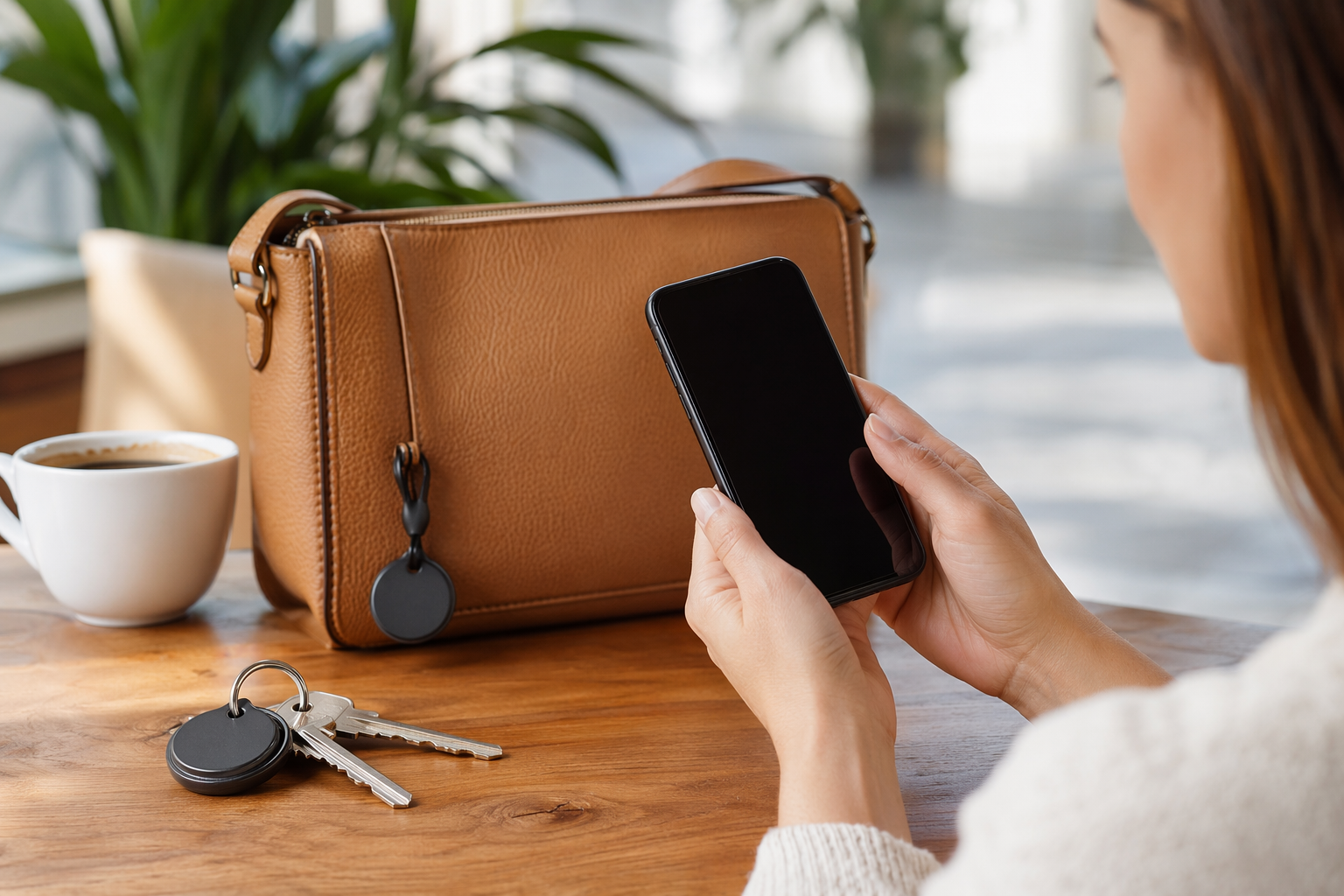
- QR ID tag. Can be worn as a bracelet, pendant, or attached to a bag or keyring. The physical tag carries minimal text; the QR code links to a complete, updateable medical profile. Increasingly popular as a complement to — or replacement for — engraved IDs.
QR Medical ID for Epilepsy: More Information, Always Up to Date
Engraved bracelets are excellent — but they are frozen in time. When your medication changes, when a new seizure type emerges, or when your emergency contact moves, the bracelet cannot update itself. A QR medical ID solves this.
With a Tagback QR ID, anyone who scans your tag — a paramedic, a teacher, a stranger on the street — sees a full medical profile that you control and can update at any time. For epilepsy, that profile can include:
- Your full seizure protocol — step-by-step instructions for managing your specific type of seizure
- Complete medication list, including rescue medications and their exact dosage and route of administration
- Seizure duration threshold: "Call ambulance if seizure exceeds 5 minutes" — clear, personalised guidance
- Multiple emergency contacts with relationship and phone number
- Neurologist name and contact details
- Known triggers and post-ictal behaviour (so responders know what to expect as you recover)
- Allergy and contraindication information
When your medication is adjusted — which happens often with epilepsy management — you update your Tagback profile. No new bracelet, no delay, no risk of outdated information in an emergency. The physical tag stays the same; the information behind it is always current.
For Children with Epilepsy
A child with epilepsy needs medical ID protection in two distinct contexts: out in public, and at school. These require different approaches.
On the bracelet or tag: keep it simple and child-appropriate. EPILEPSY, the child's name, a parent's mobile number, and any rescue medication they carry. A silicone band or a small engraved bracelet with a fun clasp can make wearing it feel normal rather than medicalized.
At school: the ID is not a substitute for a proper seizure management plan. Work with your child's school nurse, class teacher, and SENCO to create a written Individual Health Plan (IHP) or equivalent. This should cover the child's seizure types and warning signs, the exact steps staff should take, whether rescue medication is stored at school and who is trained to administer it, and when to call an ambulance versus when to monitor. A Tagback QR profile linked to the child's ID can give the school nurse instant access to this information — especially useful during school trips or for supply staff who may not know the child.
As children grow older, involve them in their own seizure management. Understanding their condition, knowing what their ID says, and feeling ownership over their safety builds confidence rather than fear.
Living with Epilepsy and Wearing Your ID Consistently
The most precisely engraved bracelet in the world provides zero protection if it sits on the bedside table. Consistent wear is everything — and for many people, that is easier said than done.
A few approaches that help:
- Treat it like your watch. Put it on as part of your morning routine, alongside your first medication dose. Physical anchoring to an existing habit dramatically increases consistency.
- Choose a style you actually like. If you resent the look or feel of your ID, you will take it off. Spend time finding a bracelet that suits your aesthetic — medical IDs now come in a wide range of materials, colours, and styles.
- Water-resistant options. Most stainless steel and silicone IDs are water-resistant or waterproof. You do not need to remove them for showering, swimming, or washing hands. Confirm the rating with your supplier before swimming in the sea or pool repeatedly.
- Sleeping with your ID. If you have nocturnal seizures, wearing your ID at night is important. A slim silicone band or a lightweight stainless bracelet is comfortable enough for most people to sleep in. If you find it disruptive, a QR tag on a keyring by your bed — visible to anyone entering the room — is a reasonable compromise.
- Multiple IDs for different situations. Some people wear a dressier engraved bracelet for everyday life and a sport silicone band for exercise or outdoor activities. Having both removes the need to ever go without.
Epilepsy is a condition that asks a great deal of the people who live with it. Wearing a medical ID is one of the smallest asks in return — and one of the most consequential. It costs very little. It could mean everything.
FAQ
What should an epilepsy medical ID say?+
At minimum: the word EPILEPSY in capitals, your seizure type if relevant (tonic-clonic, absence, focal), any rescue medication you carry and where it is kept, and one emergency contact name and number. If you have a QR medical ID, the physical tag can stay concise while the linked profile carries your full medication list, seizure protocol, and neurologist contact.
Do paramedics check for medical ID bracelets?+
Yes. Checking the wrists for a medical ID is a standard part of the initial assessment in most emergency medical protocols. Paramedics are specifically trained to look for medical alert jewellery as part of gathering patient history when someone is unresponsive or unable to communicate. Wearing your ID on the wrist — rather than as a necklace or in a wallet — gives it the best chance of being found quickly.
Can I shower with a medical ID bracelet?+
Most medical ID bracelets designed for everyday wear — particularly those made from stainless steel, sterling silver, titanium, or silicone — are water-resistant and safe to wear in the shower. You should not need to remove your ID to wash. If you plan to swim regularly in chlorinated or salt water, check the manufacturer's guidance, as prolonged exposure can dull some finishes over time. Silicone bands are generally the most water-tolerant option.
Is a QR code medical ID better than an engraved bracelet for epilepsy?+
They serve different purposes and work best together. An engraved bracelet communicates the essentials instantly — no phone required — and is immediately recognisable as a medical alert to trained responders. A QR medical ID can carry your complete seizure protocol, full medication list, emergency contacts, and be updated whenever your treatment changes. Many people with epilepsy wear a bracelet engraved with the core information and a QR tag that links to their full profile, giving first responders both speed and depth.
Start protecting what matters
Tagback is free, forever. No subscription. No app needed for finders.
Create your free tag